The Ultimate Step-by-Step Guide
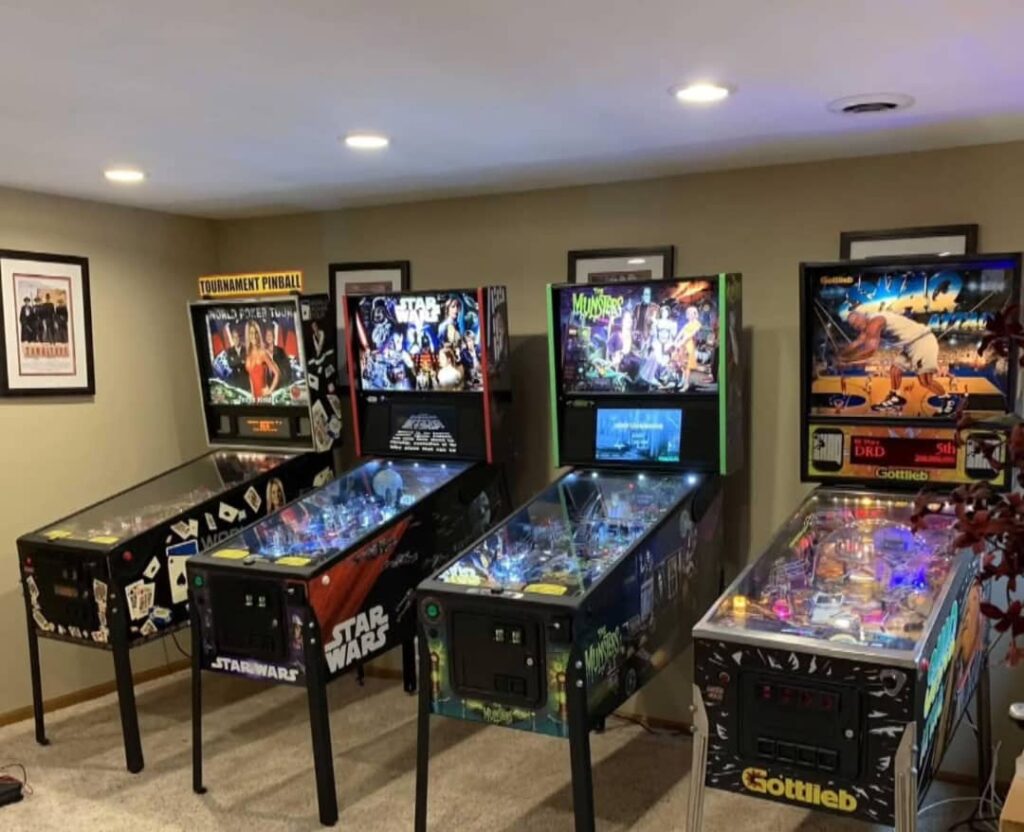
Protecting Your Pinball Machine Investment from Moisture and Wiring Hazards
The basement is often the ideal location for a home arcade. It’s cool, quiet, and offers plenty of space for those beautiful, large pinball machines you’ve invested in. However, basements present unique challenges, primarily moisture and electrical complexity, that can pose serious threats to sensitive electronics and wood cabinets. Ignoring these issues can lead to costly repairs or even irreversible damage.
At DMV Pinballs, we not only sell and service your favorite arcade pinball games, but we also want to ensure they thrive in their environment. Follow this comprehensive guide to waterproofing, humidity control, and safe electrical setup, transforming your basement into the ultimate, protected game room.
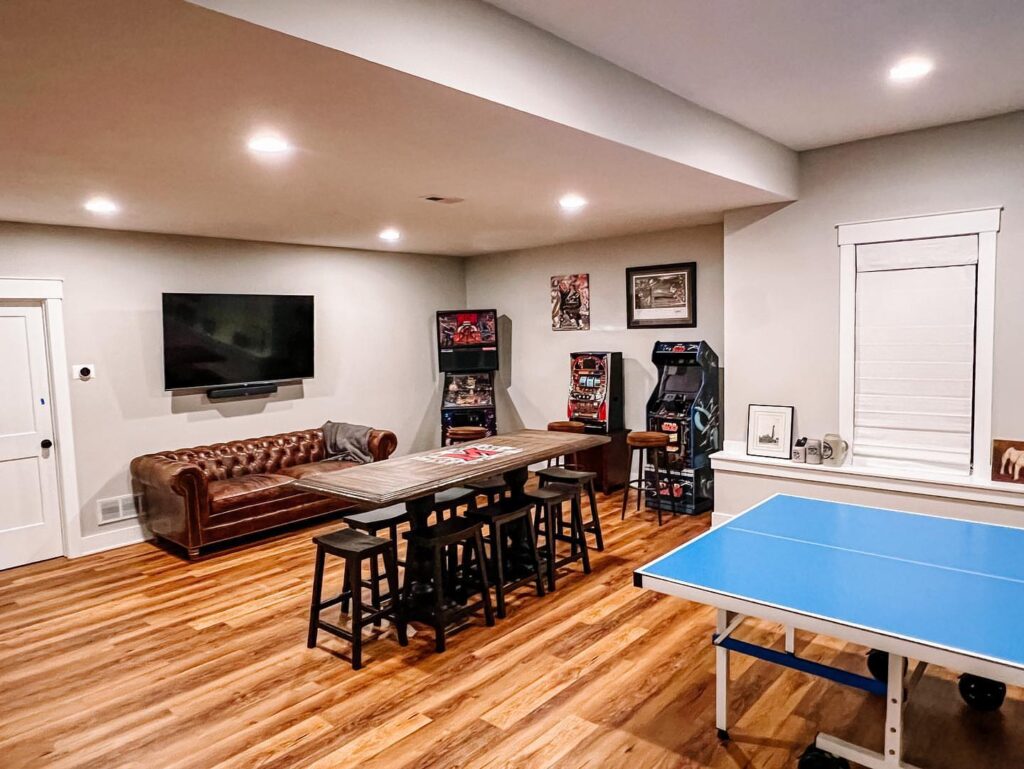
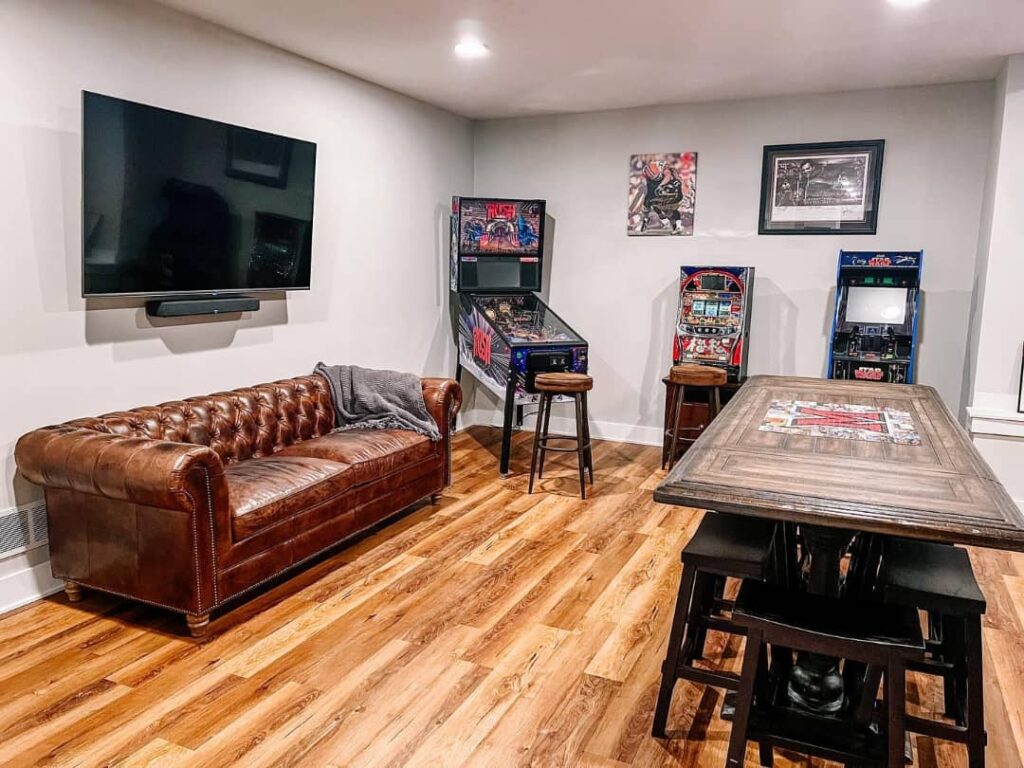
Phase 1: Battling the Biggest Threat – Basement Waterproofing & Humidity Control
Moisture is the number one enemy of pinball machines. High humidity can warp wooden cabinets, rust delicate mechanisms, cause corrosion on circuit boards, and damage playfield components. Basement waterproofing is crucial.
1. Exterior & Foundation Solutions (Prevention)
-
-
Check Drainage: Ensure your home’s gutters and downspouts direct water at least six feet away from the foundation. Clogged gutters can cause water to pool right next to your foundation walls.
-
Seal Cracks: Inspect the foundation walls (inside and out) for cracks. Even hairline fractures can allow water vapor or liquid ingress. Use hydraulic cement or professional-grade sealants on any visible damage.
-
Grading: The ground around your house should always slope away from the foundation to encourage runoff.
-
2. Interior Humidity Control (Protection)
-
-
Invest in a Dehumidifier: This is non-negotiable for a basement game room. A high-capacity dehumidifier should be run year-round, ideally set between 45% and 55% relative humidity (RH). Monitor this closely, as fluctuations can be stressful on wood.
-
Vapor Barriers: If possible, ensure the walls and floors have proper vapor barriers installed before finishing them.
-
Air Circulation: Use fans to promote air circulation throughout the space, preventing pockets of stale, damp air from settling around your machines.
-
Phase 2: Safe Electrical Setup and Wiring
Your beautiful collection of arcade pinball games draws a significant amount of power. Safety and stability are paramount for both fire prevention and component longevity.
3. Dedicated Circuits for Pinball Machines
Never plug all your machines into a single standard outlet or extension cord. Pinball machines draw high instantaneous current when coils fire. It is best practice to have dedicated 20-amp circuits installed. Ideally, plan for:
-
-
One machine per circuit (if heavily modified or a newer Stern).
-
Two to three standard machines per dedicated circuit.
-
Professional Installation: Always use a licensed electrician for basement wiring. This is non-negotiable for safety and compliance.
-
4. Grounding and Surge Protection
Ensure your electrical system is properly grounded. More importantly, protect your expensive circuit boards from sudden spikes:
-
-
Whole-House Surge Protector: This is the best defense, protecting all your basement electronics from utility surges or lightning strikes.
-
Individual Surge Strips: Use high-quality, UL-rated surge protectors with high Joule ratings for each bank of machines. Never plug a surge protector into another surge protector.
-
Phase 3: Insulation, Protection, and Longevity
5. Insulation Advice for Stability
Proper insulation (like fiberglass batts or rigid foam board) helps stabilize the temperature, reducing the strain on your dehumidifier and keeping your electronics in a stable climate. Insulation also helps dampen the noise, keeping the exciting sounds of your pinball machines contained within your game room.
6. Protecting Electronics in Basements
Even with excellent humidity control, electronics need extra care:
-
-
Elevate Machines: Never place machines directly on concrete floors, which can wick moisture. Use anti-vibration leveling feet or place them on a raised wood platform.
-
Monitor: Use a hygrometer (a device that measures humidity) to track conditions near your machines, not just near the dehumidifier.
-
Professional Inspection: If you notice rust on metal legs or foggy playfield glass (a sign of high humidity), it’s time to call in a professional. We offer comprehensive service, including pinball repair for moisture-related damage at dmvpinballs.shop.
-
By implementing these crucial steps for basement waterproofing, humidity control, and electrical safety, you can ensure your beloved pinball collection remains safe, dry, and ready for decades of high-scoring action!
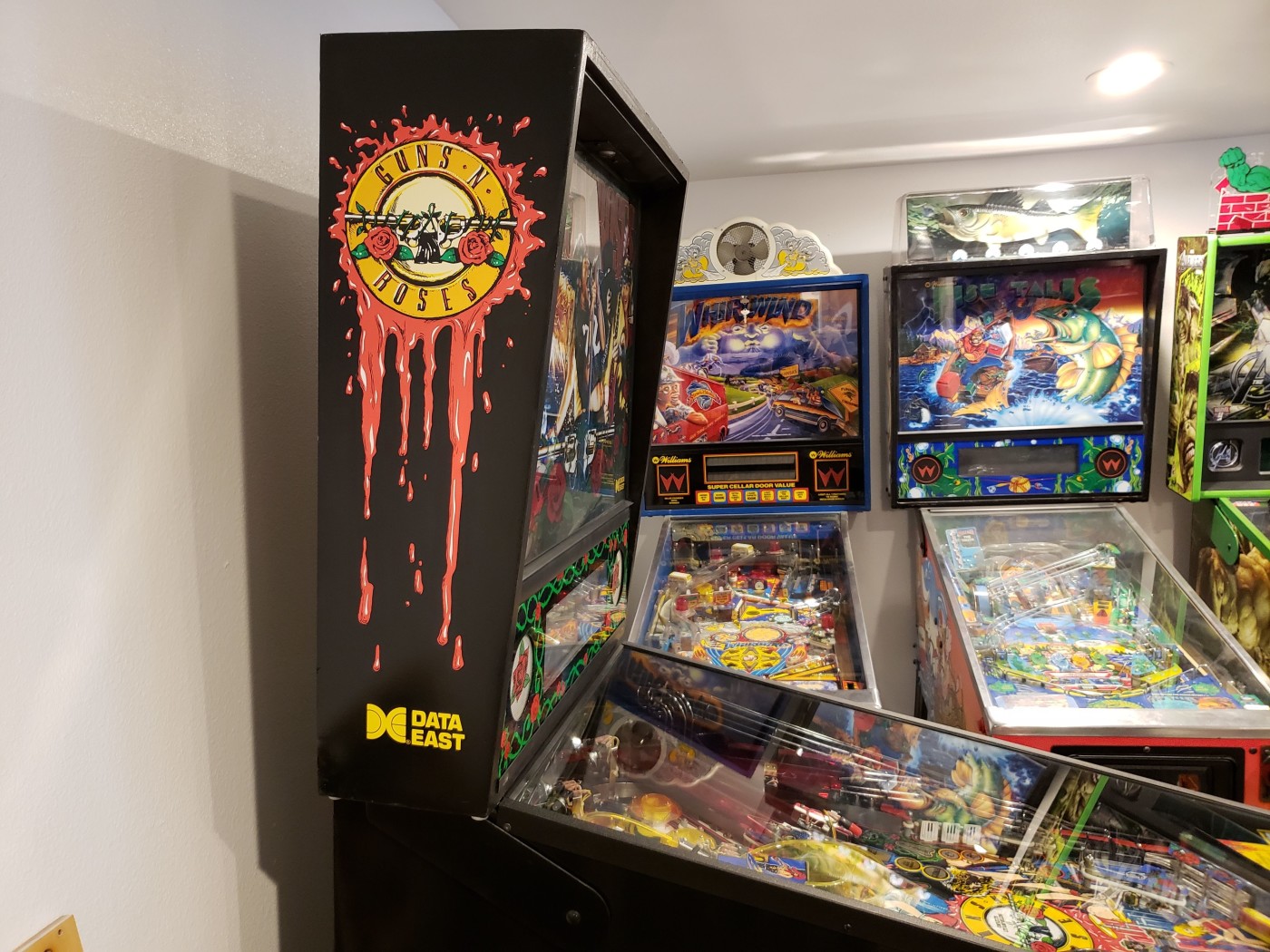
Frequently Asked Questions (FAQ)
Q: What is the ideal humidity level for my pinball game room?
-
- A: The consensus among collectors is 45% to 55% Relative Humidity (RH). This range is optimal for preserving wood, plastics, and electronics while preventing rust.
Q: Can high humidity void my pinball machine’s warranty?
-
- A: Yes, most manufacturers and reputable sellers (like us) specify that warranties do not cover damage caused by exposure to excessive moisture or humidity. Protecting your machine from the elements is the owner’s responsibility.
Q: How do I know if my fuses are failing due to an electrical problem?
-
- A: If fuses repeatedly blow on the same circuit (not just the machine fuse), it signals an underlying electrical fault, either in the machine itself (which may require expert pinball repair) or in your house wiring. Stop using the circuit and consult an electrician or a machine technician.
Q: Is it safe to use space heaters in my basement game room?
-
- A: Use them cautiously. Space heaters pull significant current, which can stress circuits that already power pinball machines. Use only high-quality, UL-rated heaters, and plug them into a dedicated, unused circuit if possible.